three coffees, NO LUNCH
april 6th, 2024
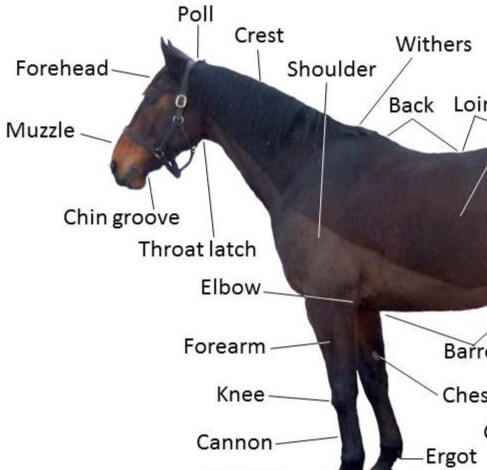
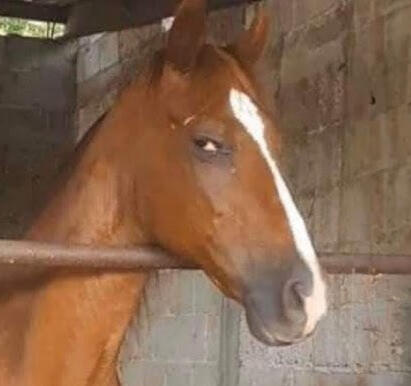

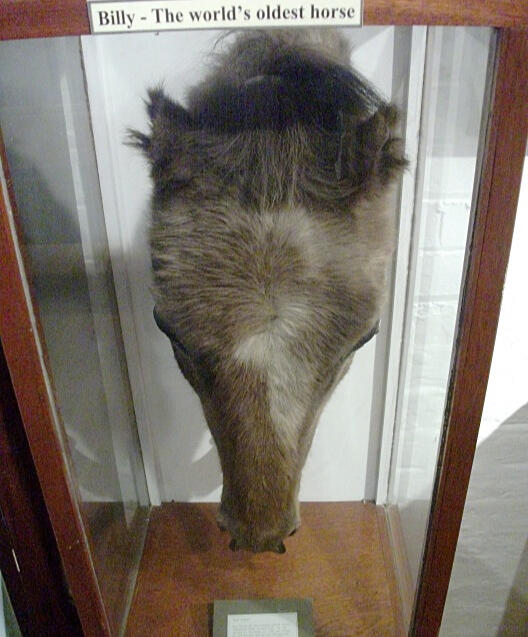
Depending on breed, management and environment, the modern domestic horse has a life expectancy of 25 to 30 years.[7] Uncommonly, a few animals live into their 40s and, occasionally, beyond.[8] The oldest verifiable record was "Old Billy", a 19th-century horse that lived to the age of 62.[7] In modern times, Sugar Puff, who had been listed in Guinness World Records as the world's oldest living pony, died in 2007 at age 56.[9]Regardless of a horse or pony's actual birth date, for most competition purposes a year is added to its age each January 1 of each year in the Northern Hemisphere[7][10] and each August 1 in the Southern Hemisphere.[11] The exception is in endurance riding, where the minimum age to compete is based on the animal's actual calendar age.[12]The following terminology is used to describe horses of various ages:Foal
A horse of either sex less than one year old. A nursing foal is sometimes called a suckling, and a foal that has been weaned is called a weanling.[13] Most domesticated foals are weaned at five to seven months of age, although foals can be weaned at four months with no adverse physical effects.[14]
Yearling
A horse of either sex that is between one and two years old.[15]
Colt
A male|| horse|| under the age of four.[16] A common terminology error is to call any young horse a "colt", when the term actually only refers to young male horses.[17]
Filly
A female horse under the age of four.[13]
Mare
A female horse four years old and older.[18]
Stallion
A non-castrated male horse four years old and older.[19] The term "horse" is sometimes used colloquially to refer specifically to a stallion.[20]
Gelding
A castrated male horse of any age.[13]In horse racing, these definitions may differ: For example, in the British Isles, Thoroughbred horse racing defines colts and fillies as less than five years old.[21] However, Australian Thoroughbred racing defines colts and fillies as less than four years old.[22]

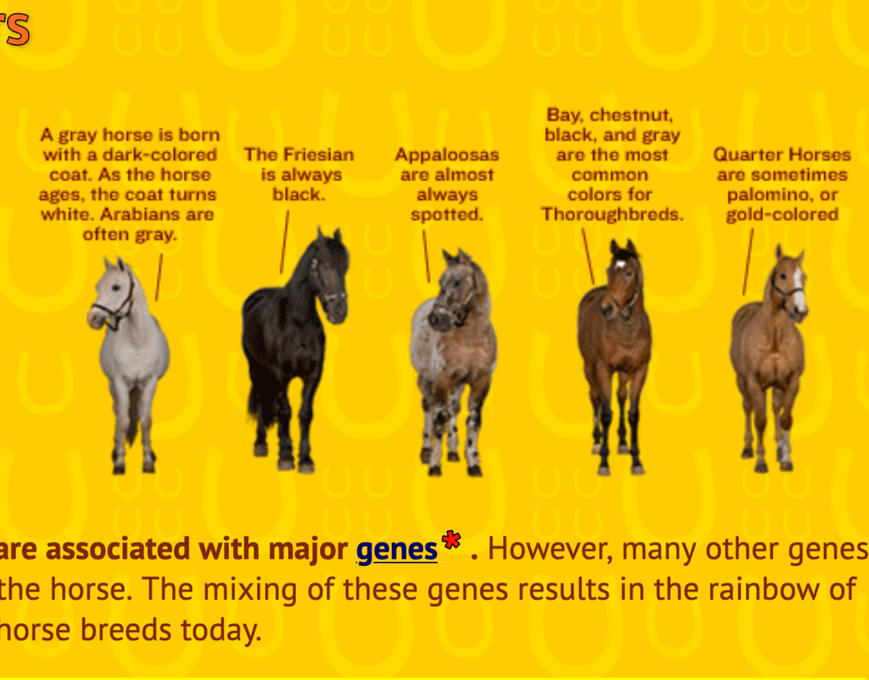
quarter horse my favorite...
Horse, a nickname for the drug heroin
Sculpted from mammoth ivory this little horse is part of an originally more rounded representation with longer legs and tail. The head is complete and still shows the engraved mouth, nostrils and eyes. The ears are alert and the neck arched. The mane, back and sides are marked with crossed diagonal incisions. Is this a stallion trying to impress a mare or a horse arching and kicking backwards against a predator?Vogelherd Cave, near Stetten, southwest Germany.Museum Schloss Hohentübingen, Tübingen, Germany.
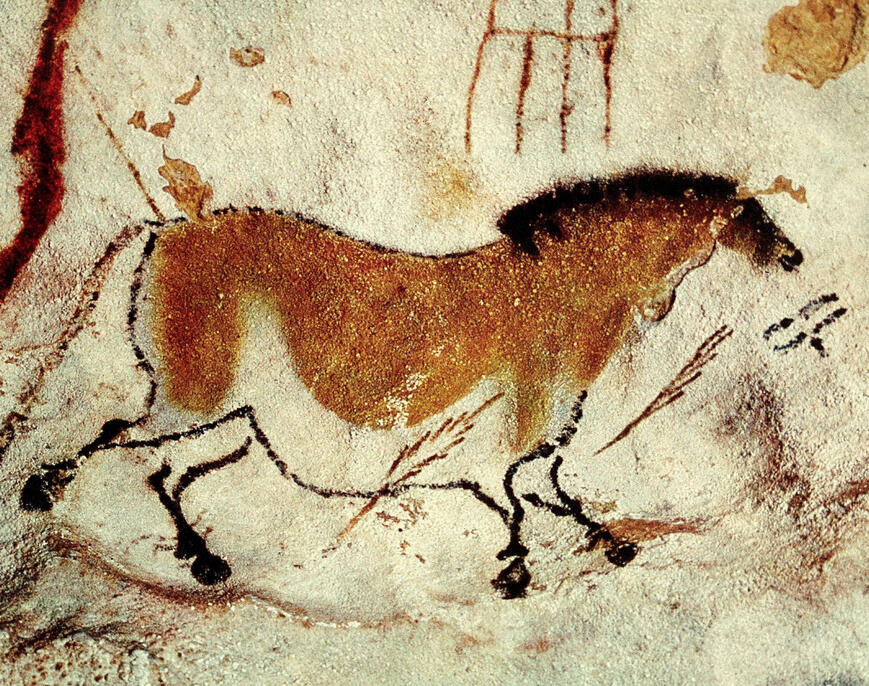
The oldest painting in Lascaux, the dun horse painting, is estimated to have been created between 15,000-10,000 BCE. It is one of the oldest paintings worldwide. Horses were a critical element of life during that time and were painted extensively in various rock shelters around Europe. Horses are believed to have been a vital source of food, tools, transport, and even companionship. The Lascaux cave paintings’ horses have unique features, such as a full-grown mane and arched backs, and most of the paintings suggest movement through the use of lines, shading, and stone contours.


